How long does it take to build a mobile app?
Typical timelines for a mobile MVP, a first release and a complex product, plus the factors that can move the launch date.
6 min read
A focused mobile MVP usually takes 6–12 weeks from a clear brief through to launch. That window can include accounts and a straightforward path to payment or activation, as long as the scope stays on one main workflow. A moderate first product, with several journeys, a more custom interface and one or two integrations, often takes 3–5 months. A complex product with several user roles, real-time features or a substantial backend commonly takes six months or more.
Those ranges assume a senior team, a scope that stays put, and decisions that don't sit in an inbox for weeks. The same feature list can take twice as long if the brief keeps moving.
Time and money move together because complexity stretches both. For Australian price ranges, see how much it costs to develop an app in Australia.
What the mobile app development timeline actually includes
Coding is the long middle of the calendar. It isn't the whole project. For a focused MVP, discovery, design, build and launch overlap inside the 6–12 weeks. They are parts of that total, not four blocks you add together.
Discovery: 1–2 weeks
The first week or two is where you agree on the audience, the one job the app needs to do, and the feature list you're willing to defend. Early screens usually start in the same stretch.
Most launch dates are won or lost here. MVP development starts with that cut, so the timeline is tied to a scope you can actually ship.
Design: 2–4 weeks
Design of the core journeys usually runs for two to four weeks, overlapping the start of engineering: onboarding, the main workflow, and any signup or payment path.
The core screens should be reviewed before engineering goes too deep on them. Otherwise, you're likely to find yourself redesigning the product in the final fortnight. Later screens can still be finishing while the first flows are already in build.
Build: the bulk of the schedule
Build is most of the remaining time inside that 6–12 week window, often around four to eight weeks, and it starts once the core flows are clear rather than after every screen is finished.
Weekly demos keep the date honest. You should be using a real build long before launch rather than waiting for a single big reveal at the end.
Launch: 1–2 weeks
The last one to two weeks cover store assets, release preparation and App Store or Google Play review. Device QA starts earlier, while the build is still underway.
Straightforward submissions can move quickly, but products involving areas such as health, finance, payments or account functionality can require additional review or clarification.
Three mobile app development timelines
Focused MVP: 6–12 weeks
Signup, one primary workflow, a way to see whether people came back, and a straightforward path to payment or activation when the product needs one.
The goal is to polish that main workflow and leave very little else in the first release. That's what an MVP should do: be small enough to learn from, but complete enough to put in front of real customers or investors.
Moderate first release: 3–5 months
Several journeys, a more custom interface, subscriptions or a second platform, and integrations with other systems.
The product is still one release, but there is more of it. Design, engineering, testing and store review all take longer than they do for a single-flow MVP.
Complex product: 6 months and beyond
Several user roles, third-party systems, offline use, real-time updates, or a design language that needs to work across many journeys can push a project well beyond six months.
These products are usually better delivered in stages. The first release should still land well before the full vision, otherwise the launch date stops meaning much.
What can make an app take longer?
Scope is the biggest one. Every extra journey adds design, engineering and QA.
Platforms matter too. One codebase for iOS and Android is usually faster than building two separate native apps, although the right choice depends on what the product needs to do.
Integrations can cause surprises. Payments, CRMs and older internal systems rarely behave quite like their documentation suggests.
Decisions affect the schedule. A week waiting on copy, logins, approvals or brand assets is a week on the calendar.
Store requirements can add time. Some products need more review than others, particularly when they involve areas such as health, finance or sensitive account functionality.
None of these are reasons to start with a vague brief. They're reasons to identify them before anyone commits to a launch date.
How to shorten the development timeline
Start with the workflow that proves the idea.
Push notifications, admin dashboards and the features that begin with “while we're here” can usually wait for a later release. How to build an app starts with making that cut before development begins.
Where the product allows it, shipping iOS and Android from one codebase can also reduce development time. That's particularly true when the app doesn't depend on hardware or platform-specific capabilities.
Keep design and engineering closely connected, too. The prototype you sign off should be close to the product that gets built, rather than becoming a separate document that engineers have to interpret months later.
That's how we approach MVP development: protect the feature list, set a date you can plan around, and build a codebase that can grow after launch.
What do you need to get an accurate app development timeline?
Before asking for a timeline or quote, have these details ready:
- Who the app is for, and the one job it needs to do on day one.
- The journeys that are essential and the ideas that can wait.
- Whether you need iOS, Android or both.
- Any payments, logins or other systems the app needs to connect to.
- A date that matters, and what happens if you miss it.
With those details, a timeline can be tied to a scope rather than a guess.
Request a quote and we'll tell you which of the ranges above your product is likely to fall into.
Related articles

How much does it cost to develop an app in Australia?
What drives Australian app development costs, typical ranges for MVPs and full products, and how to reduce spend without cutting quality.
Updated 14 November 2022

What is an MVP? Creating a Minimum Viable Product
What a minimum viable product is, why startups use MVPs to validate ideas, and how to scope one without wasting budget.
Updated 13 June 2022

How to build an app: What you need to know before you start
What to know before you start building an app, from validating the idea and scoping an MVP through to design, development and launch.
Updated 13 June 2022
Related work
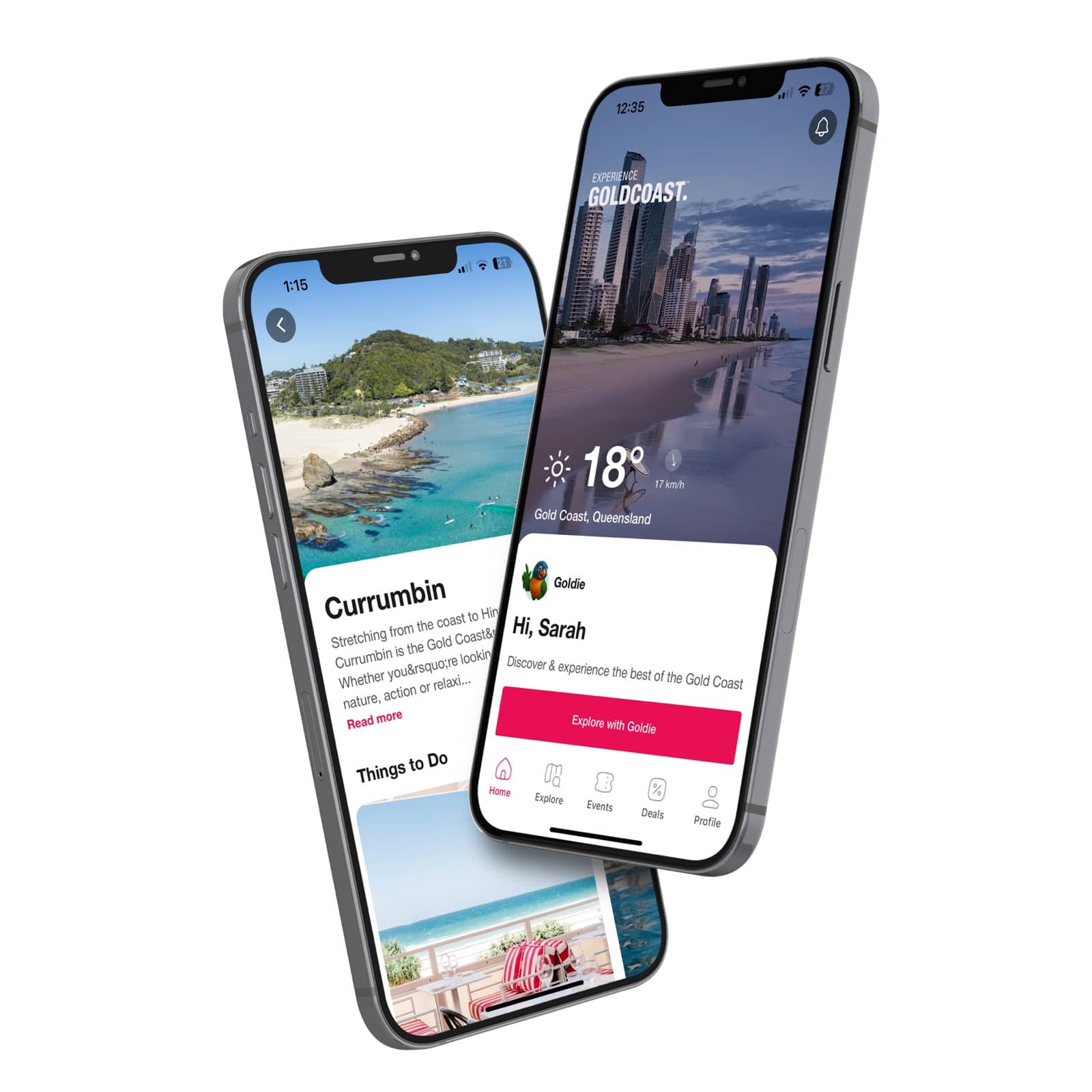
Experience Gold Coast
Redefining how locals and visitors discover the Gold Coast.
View project →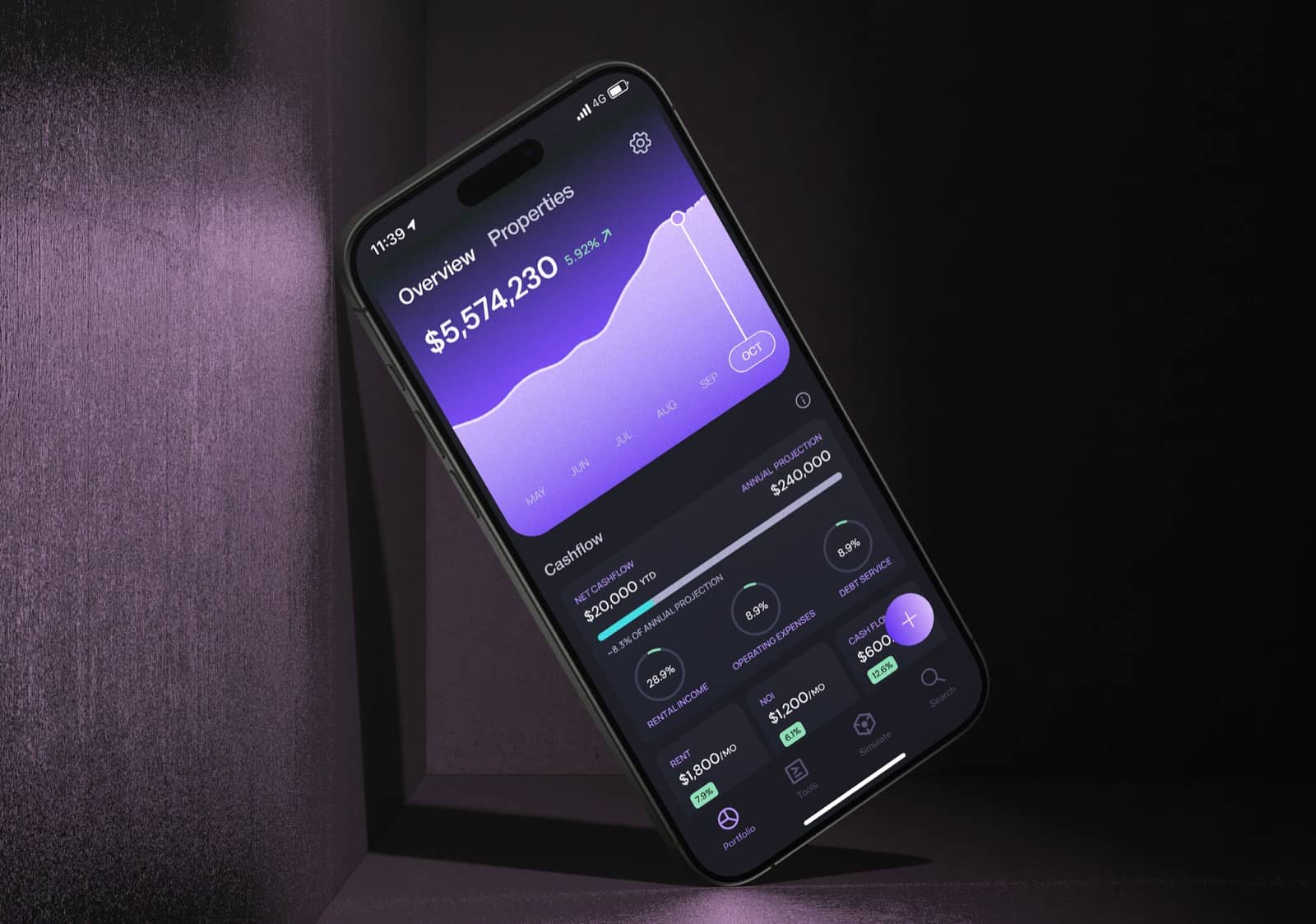
ScaleApp
A personalised property app that turns goals, cashflow and strategy into one clear view.
View project →Looking for help with mvp development? Get in touch with the Spritely team.