The Truth About AI in App Development: Hype vs. Reality
What using AI coding tools on client work has changed for us, and where experienced people still make the difference.
5 min read

How AI Is Changing Software Development (And Why You Still Need Experts)
We’ve been using these tools on client work for a few years, and they’ve come a long way since 2025. It’s been a genuine lift in how quickly we can move. They still work best with experienced people around them.
Day to day, we live in Cursor. Claude Code and Copilot come in depending on the job. A year ago we were mostly accepting the next suggested line. Now we can hand an agent a task, and it will edit the repo, run the checks, and come back with something worth reviewing. Tools like Lovable and Bolt can also turn a description into a working app in an afternoon, which is why those “one prompt” posts feel more believable than they used to.
If you’re a founder, that working app is the exciting part. Sign-up works, the main flow is in place, and the screens are often good enough to show an investor. What’s harder to see is everything underneath, and that’s the part the “one prompt” posts usually leave out.
Faster, with the right person driving
For a lot of what we build, a senior using these tools is several times faster than they were a couple of years ago. It isn’t every ticket. A messy integration with someone else’s API still takes the time it takes. The bigger change in the last year is the default: we used to work with autocomplete, and now we can point an agent at a job and let it run.
Someone still needs to know what they’re looking at. We’ve had agents hand back code that looks fine when you click through it, then falls over the moment a second user logs in. It happens often enough that we plan for it, and catching it early is part of the craft.
That’s why we still think of AI as a jet engine strapped to your best engineer, rather than a replacement for one.
A prototype is not a product
This is a conversation we have with founders a lot, and it’s usually a good one. The demo is often genuinely impressive, and plenty of them are worth showing to an investor. The next step is looking underneath.
- One user can open another user’s records by changing an ID in the URL. The API was built for the happy path, with no real check on who owns the data.
- The page feels instant with ten rows of test data. With a few thousand, it starts to drag.
- Secrets, payments, backups and monitoring rarely show up in the prompt. The tool is focused on making the screen work, not on what happens at 2am.
Getting that far with a tool is genuinely useful. It’s a great way to find out whether the idea is real. Before customers depend on it, we still want someone who has shipped software to go through that layer with you.
The influencer problem hasn’t gone away
Scroll LinkedIn or YouTube and the pitch is much the same. Replace your dev team. Ship a whole SaaS product from one prompt. A weekend demo can now support that story, so it sounds less far-fetched than it did in 2025.
Some of those people are genuinely excited, and some of them are selling a course. On the projects we see, the tools are a serious help when you already know how to build, and they ask more of you, not less, when you’re still learning.
How it’s changed the way we work at Spritely
Our senior developers spend less of the day typing, and more of it deciding what the agent should take on, checking what it actually changed, and giving another pass to the parts that need it. It’s closer to an architect’s week than it used to be, and it’s a better way to work.
As our Senior Architect Jordan puts it:
“Before using tools such as Cursor, my output was on average around 10,000 lines of code every couple of months. Now, with the AI tools, I’m outputting that in one week.”
The jump in volume is real. Agents will happily produce a lot of code, and volume was never the hard part. What clients notice is who does the work. A build we might once have staffed with one senior and a few offshore developers now sits with our Australian team. It gets finished sooner, and it doesn’t have to be handed on along the way.
More of that senior’s time lands on the project itself, which is where the saving shows up. The tools speed the week up. They don’t replace the senior.
What this means for founders
If you’re starting an app now, use the tools. It’s a great way to get something in front of people while the idea is still cheap to change. When it’s time to build what customers will depend on, you’ll still want a plan, and someone who has done this before sitting with you.
A lot of work that used to take months now takes weeks. You find out sooner whether the idea is any good, and you also find out sooner if the foundations need more care. It’s much better to learn that with us than from a customer.
We’re staying close to the tools because the work that reaches clients is better for it. That’s been a good reason to keep going.
It’s a genuinely exciting time to be doing this work.
Related articles

How to build an app: What you need to know before you start
What to know before you start building an app, from validating the idea and scoping an MVP through to design, development and launch.
Updated 13 June 2022

What is an MVP? Creating a Minimum Viable Product
What a minimum viable product is, why startups use MVPs to validate ideas, and how to scope one without wasting budget.
Updated 13 June 2022

How much does it cost to develop an app in Australia?
What drives Australian app development costs, typical ranges for MVPs and full products, and how to reduce spend without cutting quality.
Updated 14 November 2022
Related work
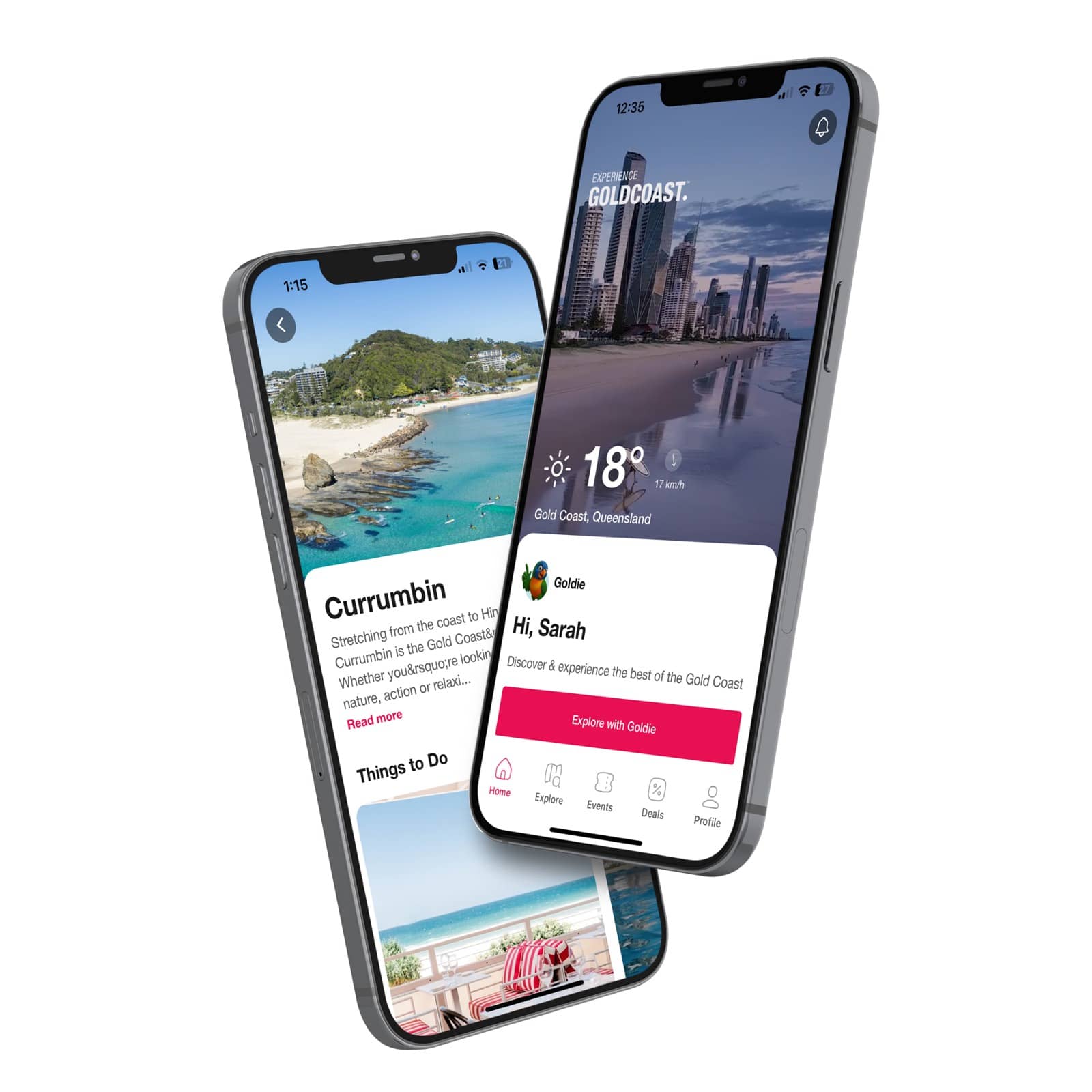
Experience Gold Coast
Redefining how locals and visitors discover the Gold Coast.
View project →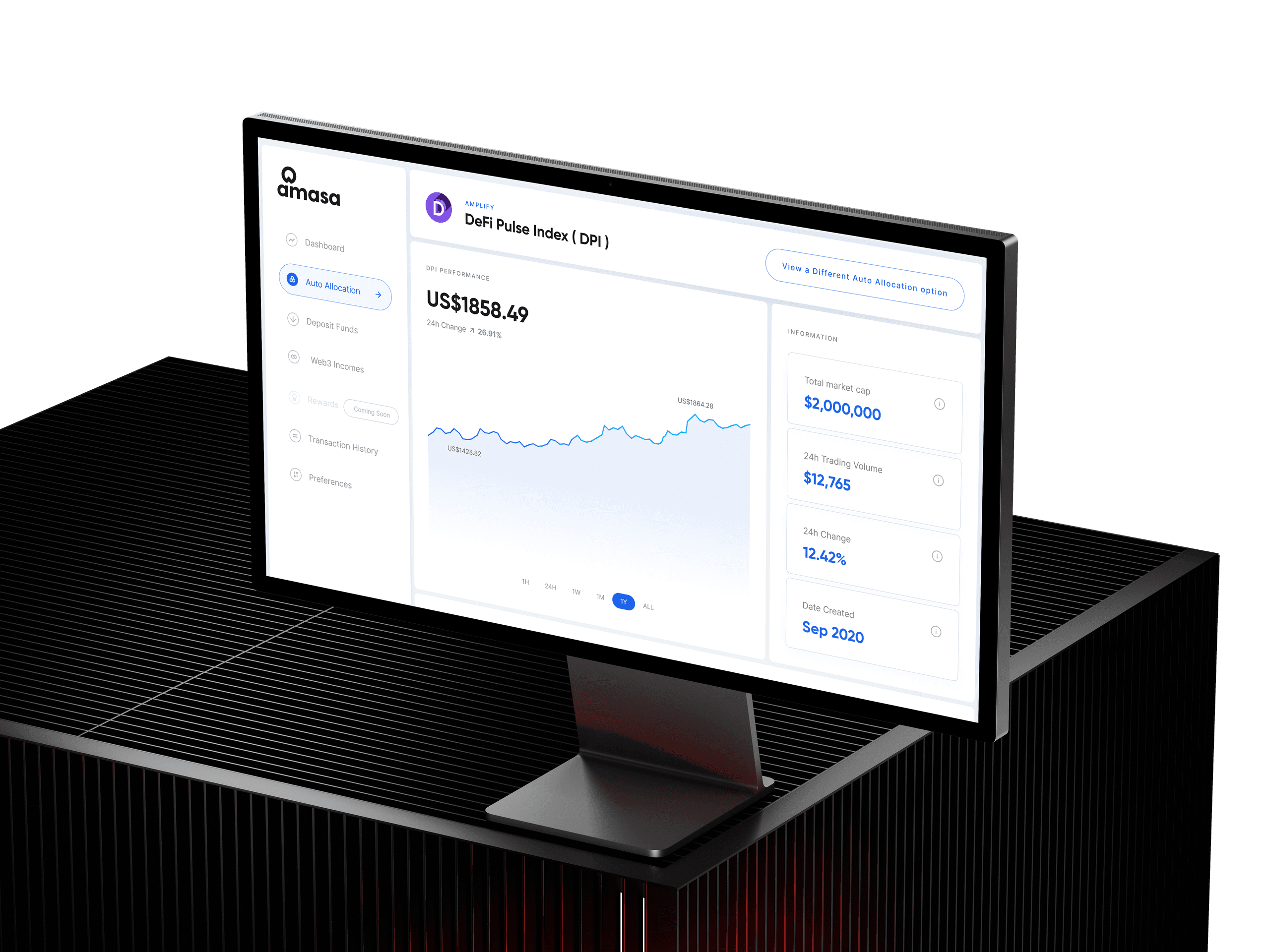
Amasa
DeFi made easy. Design and blockchain development for a non-custodial onchain portfolio platform.
View project →Looking for help with ai & llm development? Get in touch with the Spritely team.