What is a Web App?
How web apps work, how they differ from native apps, and when a web app is the right choice — with classic examples used by millions of people.
3 min read

How web apps work, the benefits of a web apps over native apps and some classic examples.
The earliest web apps were extremely simple and have advanced to sophisticated applications which are used by millions of people worldwide everyday.Web apps have been able to evolve and adapt to the increase in mobile web use. There has been a boom in the quality and functionality of web apps in recent years, some that you may be familiar with include Google Docs, Dropbox and Twitter.
Native apps are developed for specific platforms or devices, need to be installed onto a device and updated. Web apps, on the other hand, are developed for use through browsers, which allows them to be accessed by anyone with a phone and internet connection.
For businesses to exchange information and finalise transactions with their target customers, web apps can be an effective and inexpensive method. Many companies have been changing the way they operate and have adopted more web applications to allow better communication between them and their customers. Many businesses have utilised shopping carts or content management systems.
Companies are also utilising web apps to allow for collaboration on projects, working on shared documents and even creating entire internal reporting and management frameworks. This allows employees across large corporations to share information from remote locations using any device.
Benefits of Web Apps
Web apps have several benefits over native apps which should be considered when you are deciding which option would best suit you and your business:
Easy access
Anyone with internet access and a web browser can access your web app. This allows for great accessibility to your web app. Since they are built to function in a web browser, they aren’t limited by specific platforms.
Low upfront costs
Web apps can be developed quickly. Web apps usually have short development cycles and can be completed by small teams. This reduces costs for both the business and the end-user.
Easy maintenance
Web apps aren’t developed in any specific coding language. They use common languages that are utilised across multiple platforms (usually a mix of PHP, HTML or Javascript). This allows for quicker and easier development, but also easier maintenance and upgrades.
Automatic Updates
The most up to date version will always be accessible to all users. This is because the web app isn’t managed through an app store and the updates are applied centrally.
No compatibility issues
All users access the same version of the web app and therefore there are no compatibility issues.
Increase Uptake
Due to the fact that the web app doesn’t have to be downloaded onto a device, first time users are more likely to try it out than going through the process of downloading and opening an app. Since its not installed onto the device there are also no hard drive or space limitations.
How Web Apps Work
Without getting too techinical, here’s a basic rundown of how web apps work:
- The user creates a request to the web server through the user interface.
- The web server sends this request to the web app server.
- The web app server executes the task, then generates the required data.
- The web app server sends that data back to the web server.
- The web server carries the information to the client (through a mobile device, tablet or desktop).
- The requested information is displayed on the user’s end.
Web apps vary greatly in their form. They range from spreadsheets, email to shopping carts. Let’s have a look at some examples of great web apps.
For reference here is our process and steps on creating web apps.
Successful Web Apps
Examples of highly successful and useful web apps include:
- Google Docs
- Ebay
- Gmail
- Youtube
Think email, online banking, streaming services, cloud storage, online casinos… the list goes on. The possibilities are endless, so remember that a web app can be developed in a short time frame, for a low price and be accessed by millions of people around the world with the click of a mouse or tap of the screen.
Related articles

How to build an app: What you need to know before you start
What to know before you start building an app, from validating the idea and scoping an MVP through to design, development and launch.
Updated 13 June 2022

How much does it cost to develop an app in Australia?
What drives Australian app development costs, typical ranges for MVPs and full products, and how to reduce spend without cutting quality.
Updated 14 November 2022

What is an MVP? Creating a Minimum Viable Product
What a minimum viable product is, why startups use MVPs to validate ideas, and how to scope one without wasting budget.
Updated 13 June 2022
Related work


A digital home for discovering exhibitions, events, cinema and performances at HOTA.
View project →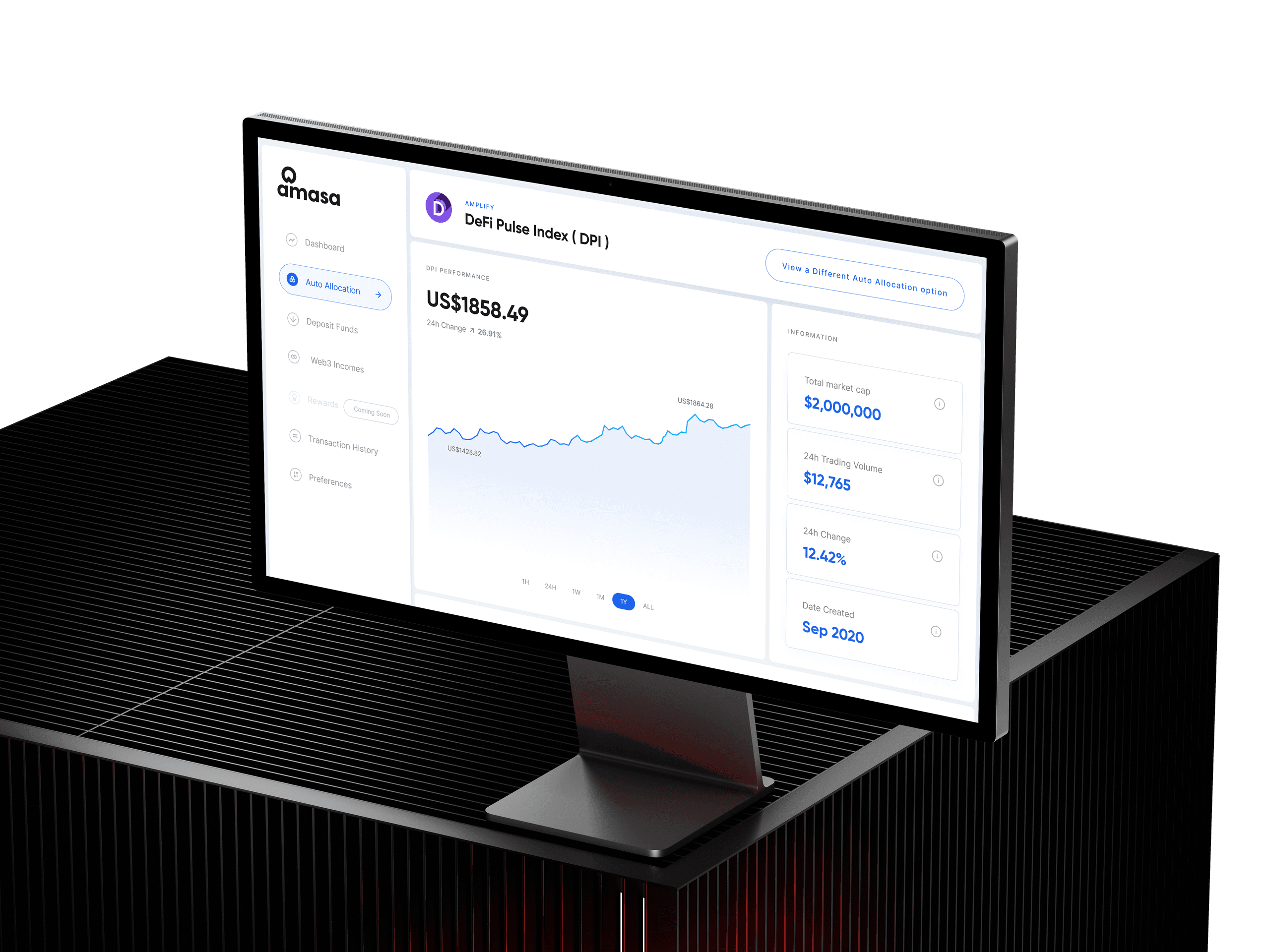
Amasa
DeFi made easy. Design and blockchain development for a non-custodial onchain portfolio platform.
View project →Looking for help with website development? Get in touch with the Spritely team.